
A pregnancy that stops developing without immediate bleeding or other obvious symptoms is known as a missed miscarriage, also called a missed abortion. It is usually identified during an ultrasound when an embryo or gestational sac is seen, but expected development or cardiac activity is absent.
This can be an emotionally difficult finding, especially when the pregnancy had been progressing without any warning signs. But one early ultrasound without a visible heartbeat does not automatically mean that a miscarriage has occurred. Pregnancy dating, ovulation timing and ultrasound measurements all need to be considered before making a diagnosis.
What Is a Missed Abortion?
A missed abortion is an early pregnancy loss in which the pregnancy has stopped developing but the body has not yet expelled the pregnancy tissue. Some women have no bleeding or pain and may continue to feel pregnant.
Ultrasound is central to diagnosis. A typical early pregnancy develops progressively:
- The gestational sac becomes visible.
- The yolk sac appears within it.
- The embryo or fetal pole develops.
- Cardiac activity becomes visible as the embryo grows.
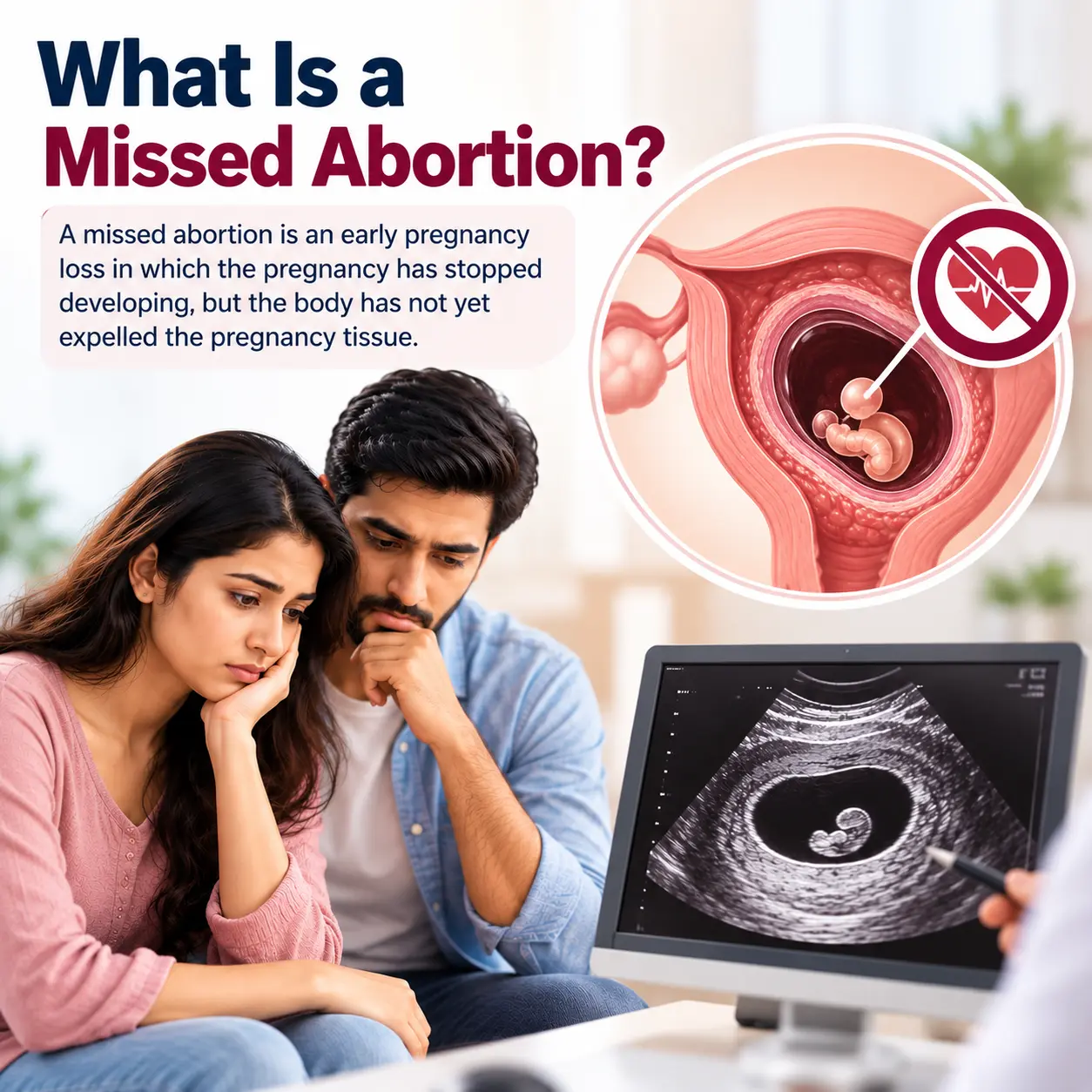
Cardiac activity is often visible around the sixth week, particularly with a transvaginal ultrasound. However, the exact timing varies. A last menstrual period alone should not be used to decide whether a heartbeat must already be visible, because ovulation and conception may occur later than expected.
No Heartbeat on the First Scan. Does It Mean Miscarriage?
Not necessarily.
This is one of the most important things couples should understand. If an early scan shows a gestational sac or embryo but cardiac activity is not yet visible, the pregnancy may simply be too early to assess confidently.
For example, a woman with a 35 to 40-day menstrual cycle may ovulate considerably later than someone with a 28-day cycle. Even women with usually regular periods can occasionally ovulate later in a particular cycle.
This creates a difference between the pregnancy age calculated from the last menstrual period and the actual developmental age of the embryo.
That is why doctors may recommend a repeat ultrasound after an appropriate interval, rather than immediately diagnosing pregnancy loss. Depending on the initial findings and the type of ultrasound, this interval may be at least 7 days and sometimes longer.
Waiting for a repeat scan does not harm a potentially viable pregnancy. It can, however, prevent an incorrect diagnosis and unnecessary treatment.
When Can a Missed Miscarriage Be Confirmed?
Doctors use specific ultrasound criteria rather than relying only on the number of weeks calculated from the last period.
For example, on transvaginal ultrasound, an embryo measuring 7 mm or more without visible cardiac activity is one criterion used to diagnose a non-viable pregnancy. Similarly, a mean gestational sac diameter of 25 mm or more without an embryo is a recognised diagnostic finding. Depending on the circumstances, repeat imaging or a second opinion may still be appropriate.
The purpose of these cautious criteria is simple: an early pregnancy that could still be viable should not be incorrectly labelled as a miscarriage.
What Causes Missed Abortion?
A healthy pregnancy depends on three broad factors: the genetic health of the embryo, the uterus and the mother’s overall health.
1. Chromosomal Abnormalities in the Embryo
This is the most common explanation for early pregnancy loss.
An egg or sperm can occasionally carry an abnormal number or arrangement of chromosomes. When fertilisation occurs, the resulting embryo may have a chromosomal abnormality that prevents normal development.
This can happen even when both partners are otherwise healthy and previous genetic or fertility tests have been normal. It is often a random event during the formation of the egg or sperm, rather than something either partner has caused.
2. Problems Within the Uterus
The structure of the uterus can sometimes affect implantation and early pregnancy development.
A septate uterus, for example, has a partition of tissue within the uterine cavity. Depending on its size and location, a uterine septum can interfere with normal implantation and may be associated with pregnancy loss.
Other uterine conditions may also need evaluation when pregnancy losses occur repeatedly.
3. Maternal Health Conditions
Certain medical conditions can increase the risk of miscarriage when they are poorly controlled.
These may include:
- Uncontrolled diabetes
- Thyroid disorders
- Significant obesity
- Severe anaemia
- Certain autoimmune conditions
- Antiphospholipid syndrome and other clotting-related disorders
This does not mean that a woman with one of these conditions cannot have a healthy pregnancy. Proper diagnosis and control of the underlying condition can make a significant difference.
Does One Missed Abortion Mean You Cannot Have a Healthy Pregnancy?
Usually, no.
A single missed miscarriage can be devastating, but it does not generally mean that a couple will continue to experience pregnancy loss. Many couples go on to conceive again and have a healthy baby.
The important question is whether the loss was an isolated event or part of a pattern of repeated pregnancy loss. After recurrent miscarriages, a fertility specialist may recommend a more detailed evaluation of the couple, including assessment of the uterus, hormonal and metabolic health, and selected genetic or immune-related factors where clinically appropriate.
What Should You Do After an Ultrasound Shows No Heartbeat?
Do not make a decision based on one report alone unless the ultrasound findings meet established criteria for pregnancy loss.

Your doctor may recommend:
- Reviewing your menstrual and ovulation history
- Checking the ultrasound measurements carefully
- Repeating the ultrasound after the recommended interval
- Monitoring symptoms
- Assessing medical conditions that could affect pregnancy
- Providing treatment if a confirmed miscarriage is diagnosed
If you have heavy bleeding, severe abdominal or pelvic pain, dizziness, fainting, fever or significant weakness, seek urgent medical care.
When Should You Consult a Fertility Specialist?
If you have experienced one miscarriage, your next pregnancy may still progress normally. However, consultation becomes particularly useful when there are repeated miscarriages, difficulty conceiving, known uterine abnormalities, advanced maternal age, or medical conditions that may affect pregnancy.
Couples looking for a Fertility Specialist in Kolhapur should choose a doctor who can evaluate both partners rather than focusing only on the pregnancy loss.
Similarly, when searching online for the Best IVF Center in Kolhapur look beyond rankings and advertisements. Experience in reproductive medicine, appropriate diagnostic facilities, qualified specialists, embryology standards and transparent counselling matter more than a label.
A Reassuring Message After a Missed Abortion
A missed miscarriage can leave couples with many questions: Why did this happen? Could I have prevented it? Will it happen again?
In most cases, there is nothing the woman did to cause the pregnancy to stop developing. Early pregnancy loss is often related to problems in the embryo that could not have been prevented.
More importantly, one missed abortion does not mean that a healthy pregnancy is impossible in the future. With appropriate evaluation and care, most couples who experience a single early pregnancy loss can look forward to a successful pregnancy later.
At Patki Hospital, Kolhapur, our fertility and reproductive medicine team focuses on understanding why an early pregnancy has stopped developing, avoiding premature conclusions, and providing personalised guidance for the next pregnancy. The aim is not simply to explain a scan report, but to help couples understand what happened and what can be done next.
Patients can therefore expect greater consistency, safety, and quality of care from registered centres.
Frequently Asked Questions on Missed Abortion
A missed abortion is an early pregnancy loss in which the pregnancy has stopped developing, but the body has not yet expelled the pregnancy tissue. It is usually diagnosed through ultrasound.
Not always. Pregnancy dating can be inaccurate because ovulation and conception may occur later than expected. If the ultrasound findings are not diagnostic of pregnancy loss, a repeat scan is usually recommended before reaching a conclusion.
Chromosomal abnormalities in the embryo are a common cause. Other contributing factors can include uterine abnormalities and poorly controlled maternal conditions such as diabetes or thyroid disease.
Yes. A single missed miscarriage does not usually mean that future pregnancy will be unsuccessful. Many couples go on to have a healthy pregnancy after an early pregnancy loss.
A consultation can be useful after recurrent pregnancy losses, difficulty conceiving, known uterine problems, certain medical conditions, or when you need help planning a subsequent pregnancy.